

The Molecular Advantage
Here’s why high molecular weight hyaluronic acid is most effective for dry eye patients.
Hyaluronic acid (HA) has established itself as one of the most successful and widely used therapies for dry eye disease (DED) globally, with over 30 years of clinical use demonstrating its excellent safety and therapeutic versatility.1 However, as our understanding of HA’s molecular behavior has evolved, a critical finding has emerged: not all HA is created equal. The molecular weight of HA fundamentally determines both its physical and biological properties, making this parameter crucial for clinical efficacy. Recent research has conclusively demonstrated that high molecular weight (HMW) HA offers superior therapeutic benefits compared to low molecular weight (LMW) in ophthalmic applications.
The Molecular Weight Paradigm
The chain length and molecular weight of HA directly determine its therapeutic properties and intended clinical applications. Current classification systems define molecular weight ranges as follows:2
- LMW HA: <1.5 MDa
- Medium molecular weight HA: 1.5 to 2.3 MDa
- HMW HA: 2.4 to 2.9 MDa
- Very high molecular weight HA (Hylan A): ≥3.0 MDa
This classification system reveals why different molecular weights are optimal for different medical specialties. While short-chain hyaluronic acid penetrates deep skin layers in dermatology, and crosslinked hyaluronic acid provides joint lubrication in orthopedics, long-chain HMW HA is uniquely suited for ocular conditions.
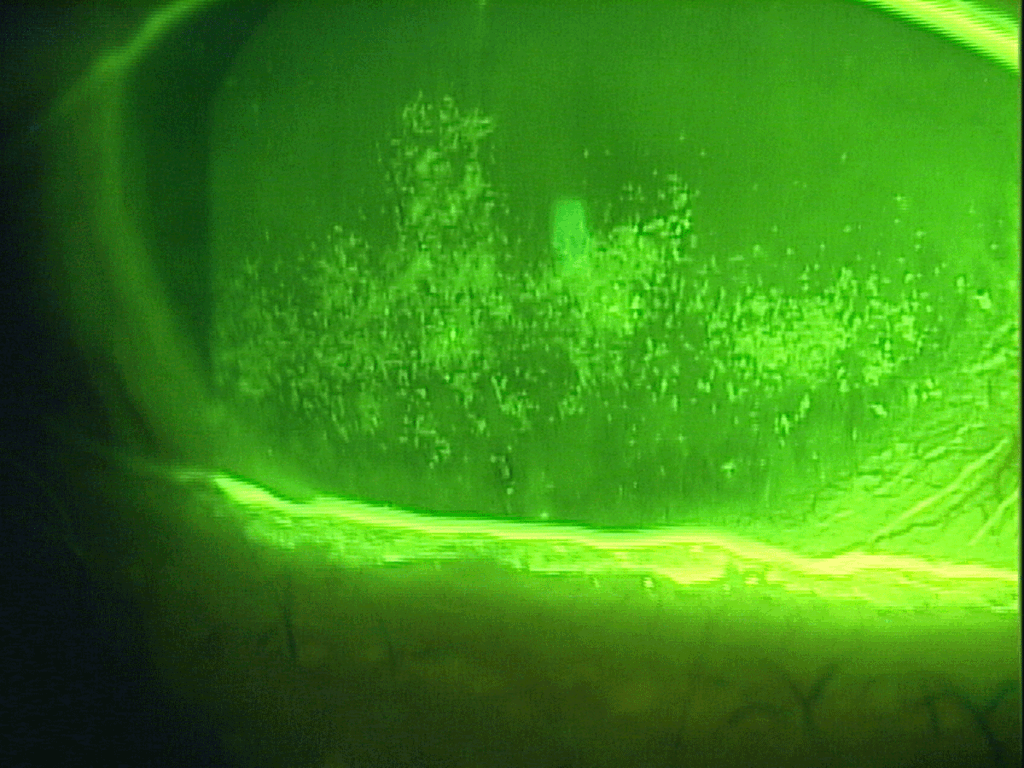
Three Pilars of HMW HA
Therapeutic advantages are delivered through three fundamental mechanisms:
- Long-lasting lubrication. HMW HA binds significantly more water than LMW HA, offering greater hydration.3 Its viscoelasticity allows smooth spreading during blinking and quick recovery to maintain tear film stability. One study found HMW HA (0.15%) extended tear break-up time and resisted environmental dry eye stress better than LMW HA (0.1% and 0.3%).4
- Long-lasting protection. Unlike LMW HA, which can elicit inflammatory responses, HMW HA exhibits potent anti-inflammatory effects.5 HMW HA creates a blocking mechanism that prevents inflammatory cascades, helping to break the vicious cycle of DED. Multiple studies have demonstrated HMW HA’s superior ability to promote corneal epithelial cell proliferation and migration.6 In comparative wound healing studies, research has shown that different molecular weights of HA exhibit varying efficacy in promoting corneal re-epithelialization, with higher molecular weights generally showing superior results.7Recent research has revealed that HMW HA promotes regeneration of corneal nerve cells and reduces neuropathic pain. This property is particularly significant given the neuronal component of dry eye disease pathophysiology.8
HMW HA also provides significant protection against benzalkonium chloride toxicity, reducing oxidative stress and apoptosis in corneal epithelial cells.9,10 Likewise, it is the long-chain hyaluronic acid that is preserved via a cryopreserved process in amniotic membrane such as ProKera or CAM 360. This long-chain hyaluronic acid results HMW and is presumed to be one of the key differentiators in providing good in neurotrophic and even neuropathic cases, as well as potent anti-inflammatory effects.
- Long-lasting replenishment. The deficiency of secretory mucins, particularly MUC5AC, is an underestimated contributing factor in DED. HMW HA’s unique molecular structure allows it to serve as an effective substitute for secretory mucins. The mucoadhesive properties of hyaluronic acid increase linearly with molecular weight.11 HMW HA exhibits superior binding affinity to mucins, particularly MUC2, while LMW HA shows minimal binding. This enhanced mucoadhesion directly correlates with longer ocular residence time and improved therapeutic efficacy.12
Clinical Evidence Supporting HMW HA Superiority
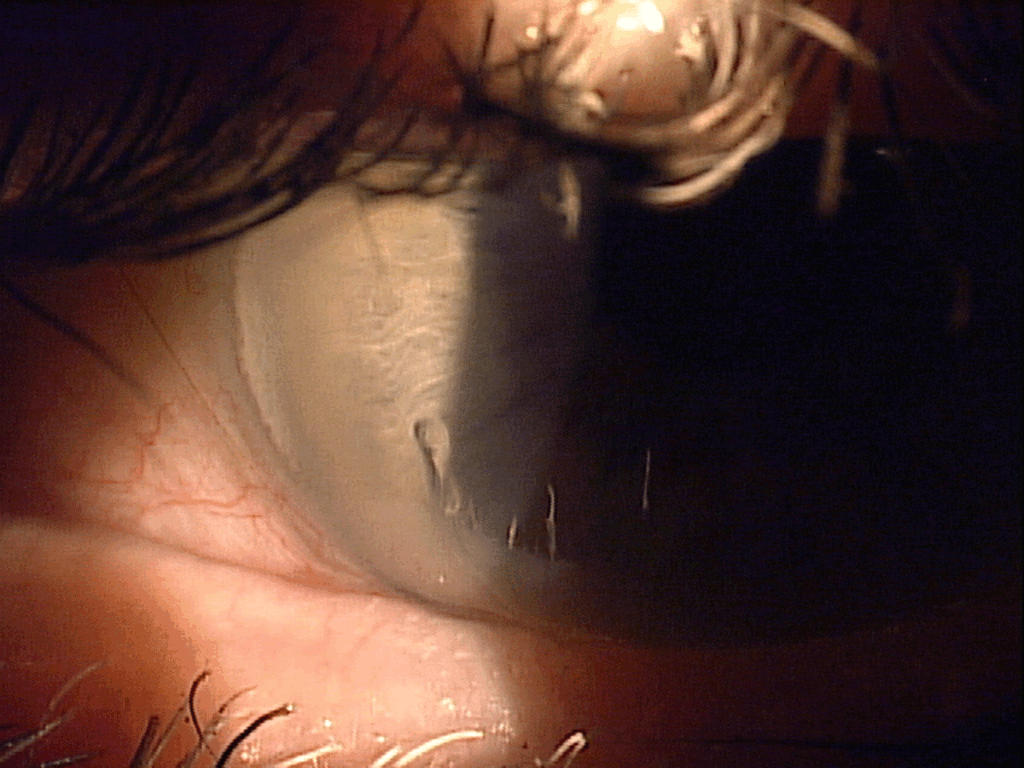
A previous study conducted pivotal research comparing HMW HA (0.15%) against LMW HA (0.1% and 0.3%) in an environmental dry eye stress model that mimics office work conditions.4 HMW HA outperformed LMW HA and diquafosol—a dry eye drop approved for dry eye in Asia—by prolonging tear break-up time, lowering ocular surface staining, reducing subepithelial dendritic cell density (anti-inflammatory) and increasing conjunctival MUC5AC mRNA expression (enhanced mucin production).
The Hylan M study provided comprehensive evidence for HMW HA superiority.13 This international, multicenter, randomized study investigated whether patients with severe DED could benefit from substituting their artificial tear therapy with 0.15% very HMW HA eye drops. Key findings showed significant benefits with HMW HA, including a 13.5-point improvement in average OSDI scores compared and a 0.04 logMAR gain in best corrected visual acuity.
Research has also shown that HMW HA eye drops can serve as an acceptable alternative to autologous serum eye drops for severe dry eye patients who are unable to have their blood drawn.14
Addressing Drop Frequency and Patient Compliance
One of the most compelling clinical advantages of HMW HA is its impact on treatment burden. Research has demonstrated that when treating severe DED, drop application frequency can be significantly reduced by using very HMW HA lubricant eye drops.15 This reduction in dosing frequency offers multiple benefits, including enhanced patient compliance through fewer applications, a reduced socioeconomic burden for both patients and healthcare systems and an improved quality of life by minimizing treatment-related inconvenience.
Mechanism of Action: The Molecular Advantage
The rheological properties of HMW HA allow it to closely mimic natural tear film behavior.3,16 The higher the molecular weight, the greater the difference between resting viscosity and shear-induced viscosity during blinking. This creates optimal conditions for high tear stability during rest, low friction during blinking and effective distribution across the ocular surface.
HMW HA interacts with specific cellular receptors, including CD44 and HARE (hyaluronic acid receptor for endocytosis).2 These interactions facilitate enhanced cellular proliferation and migration, improved corneal epithelial barrier function and modulation of inflammatory pathways. The molecular weight-dependent nature of these interactions explains why HMW HA demonstrates superior biological activity compared to LMW alternatives.
HMW HA maintains the excellent safety profile characteristic of all hyaluronic acid formulations while offering enhanced efficacy.1,17 Key safety advantages of HMW HA include its biocompatibility as a naturally occurring substance not recognized as foreign by the body, a low incidence of adverse reactions or allergies and protection against preservative-induced toxicity when included in formulations.
Key DEWS III Findings
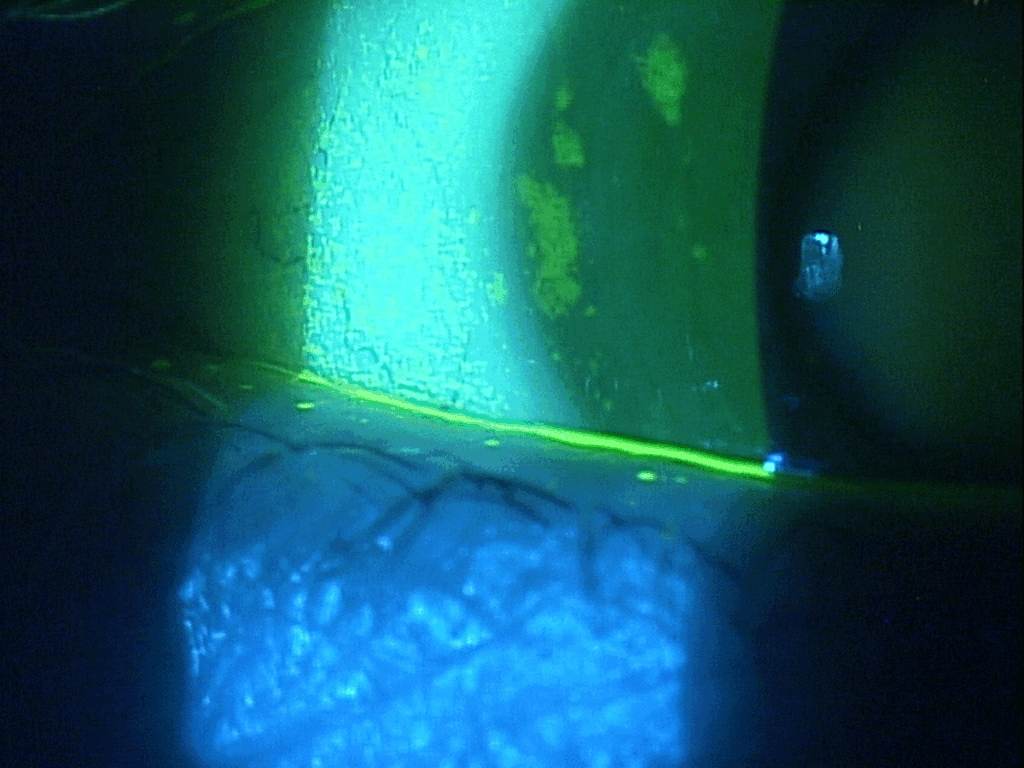
TFOS DEWS III explicitly acknowledges that “high molecular weight HA formulation has been reported to be more effective than its lower molecular weight counterpart in treating DED” in animal models.18 This official recognition represents a significant advancement in the field’s understanding of HA’s molecular weight-dependent efficacy.
The report identifies 53 eligible clinical trials examining HA-containing tear supplements, including eight placebo-controlled studies. These studies demonstrated that HMW HA is effective in improving both the signs and symptoms of DED, with no serious side effects observed across concentrations ranging from 0.1% to 0.4%, and sustained benefits seen over treatment periods of four weeks to three months.
DEWS III highlights several critical areas requiring further research, including the need to determine the optimal drop frequency, define the most effective formulation and concentration of HA, and standardize molecular weight parameters, as current clinical research results remain difficult to compare without this consistency. It also acknowledges emerging crosslinked HA technologies that resist degradation and provide extended ocular surface adherence without causing visual blur. Early studies suggest accelerated corneal wound healing compared to non-crosslinked HA solutions.19
DEWS III provides the most comprehensive guidance in dry eye management, recognizing HMW HA’s superior efficacy and identifying key research gaps.
By aligning molecular weight science, clinical evidence and regulatory support, it positions HMW HA as a cornerstone of precision therapy—offering better outcomes, lower dosing frequency and excellent safety while shaping the future of personalized dry eye care.
References:
1. Hynnekleiv L, Magno M, Vernhardsdottir RR, et al. Hyaluronic acid in the treatment of dry eye disease. Acta Ophthalmol. 2022;100(8):844-60.
2. Müller-Lierheim WGK. Why chain length of hyaluronan in eye drops matters. Diagnostics (Basel). 2020;10(8):511.
3. Aragona P, Simmons PA, Wang H, Wang T. Physicochemical properties of hyaluronic acid-based lubricant eye drops. Trans Vis Sci Tech. 2019;8(6):2.
4. Kojima T, Nagata T, Kudo H, et al. The effects of high molecular weight hyaluronic acid eye drop application in environmental dry eye stress model mice. Int J Mol Sci. 2020;21(10):3516.
5. Lee BM, Park SJ, Noh I, Kim CH.The effects of the molecular weights of hyaluronic acid on the immune responses. Biomater Res. 2021;25(1):27.
6. Zhong J, Deng Y, Tian B, et al. Hyaluronate acid-dependent protection and enhanced corneal wound healing against oxidative damage in corneal epithelial cells. J Ophthalmol. 2016;2016:6538051
7. Carlson E, Kao WWY, Ogundele A. Impact of hyaluronic acid-containing artificial tear products on reepithelialization in an in vivo corneal wound model. J Ocul Pharmacol Ther. 2018;34(4):360-4
8. van Setten GB, Stachs O, Dupas B, et al. High molecular weight hyaluronan promotes corneal nerve growth in severe dry eyes. J Clin Med. 2020;9(12):3799
9. Pauloin T, Dutot M, Warnet JM, Rat P. In vitro modulation of preservative toxicity: high molecular weight hyaluronan decreases apoptosis and oxidative stress induced by benzalkonium chloride. Eur J Pharm Sci. 2008;34(4-5):263-73.
10. Wu H, Zhang H, Wang C, et al. Genoprotective effect of hyaluronic acid against benzalkonium chloride-induced DNA damage in human corneal epithelial cells. Mol Vis. 2011;17:3364-70.
11. Guarise C, Acquasaliente L, Pasut G, et al. The role of high molecular weight hyaluronic acid in mucoadhesion on an ocular surface model. J Mech Behav Biomed Mater. 2023;143:105908.
12. Hansen IM, Ebbesen MF, Kaspersen L, et al. Hyaluronic acid molecular weight-dependent modulation of mucin nanostructure for potential mucosal therapeutic applications. Mol Pharm. 2017;14(7):2359-67.
13. van Setten GB, Baudouin C, Horwath-Winter J, et al. The HYLAN M Study: efficacy of 0.15% high molecular weight hyaluronan fluid in the treatment of severe dry eye disease in a multicenter randomized trial. J Clin Med. 2020;9(11):3536.
14. Beck R, Stachs O, Koschmieder, et al. Hyaluronic acid as an alternative to autologous human serum eye drops: initial clinical results with high-molecular-weight hyaluronic acid eye drops. Case Rep Ophthalmol. 2019;10(2):244–55.
15. Medic N, Boldin I, Berisha B, et al. Application frequency – key indicator for the efficiency of severe dry eye disease treatment – evidence for the importance of molecular weight of hyaluronan in lubricating agents. Acta Ophthalmol. 2024;102(5):e663-71.
16. Semp D, Dutta D, Wolffsohn JS. The clinical efficacy of higher molecular weight sodium hyaluronate in artificial tears: A randomized clinical trial. Invest Ophthalmol Vis Sci. 2023;64(8):3970.
17. Hynnekleiv L, Magno M, Moschowits E, et al. A comparison between hyaluronic acid and other single ingredient eye drops for dry eye, a review. Acta Ophthalmologica. 2024;102(1):25-37.
18. Jones L, Craig JP, Markoulli M, et al. TFOS DEWS III management and therapy. Am J Ophthalmol. 2025;279:289-386.
19. Sánchez-González JM, De-Hita-Cantalejo C, González-Rodríguez ML, et al. Efficacy assessment of liposome crosslinked hyaluronic acid and standard hyaluronic acid eye drops for dry eye disease management: a comparative study employing the ocular surface analyzer and subjective questionnaires. Front Med (Lausanne). 2024;11:1264695.



Latest Articles



HCP Popup
Are you a healthcare or eye care professional?
The information contained on this website is provided exclusively for healthcare and eye care professionals and is not intended for patients.
Click ‘Yes’ below to confirm that you are a healthcare professional and agree to the terms of use.
If you select ‘No’, you will be redirected to scopeeyecare.com
This will close in 0 seconds