
Introduction
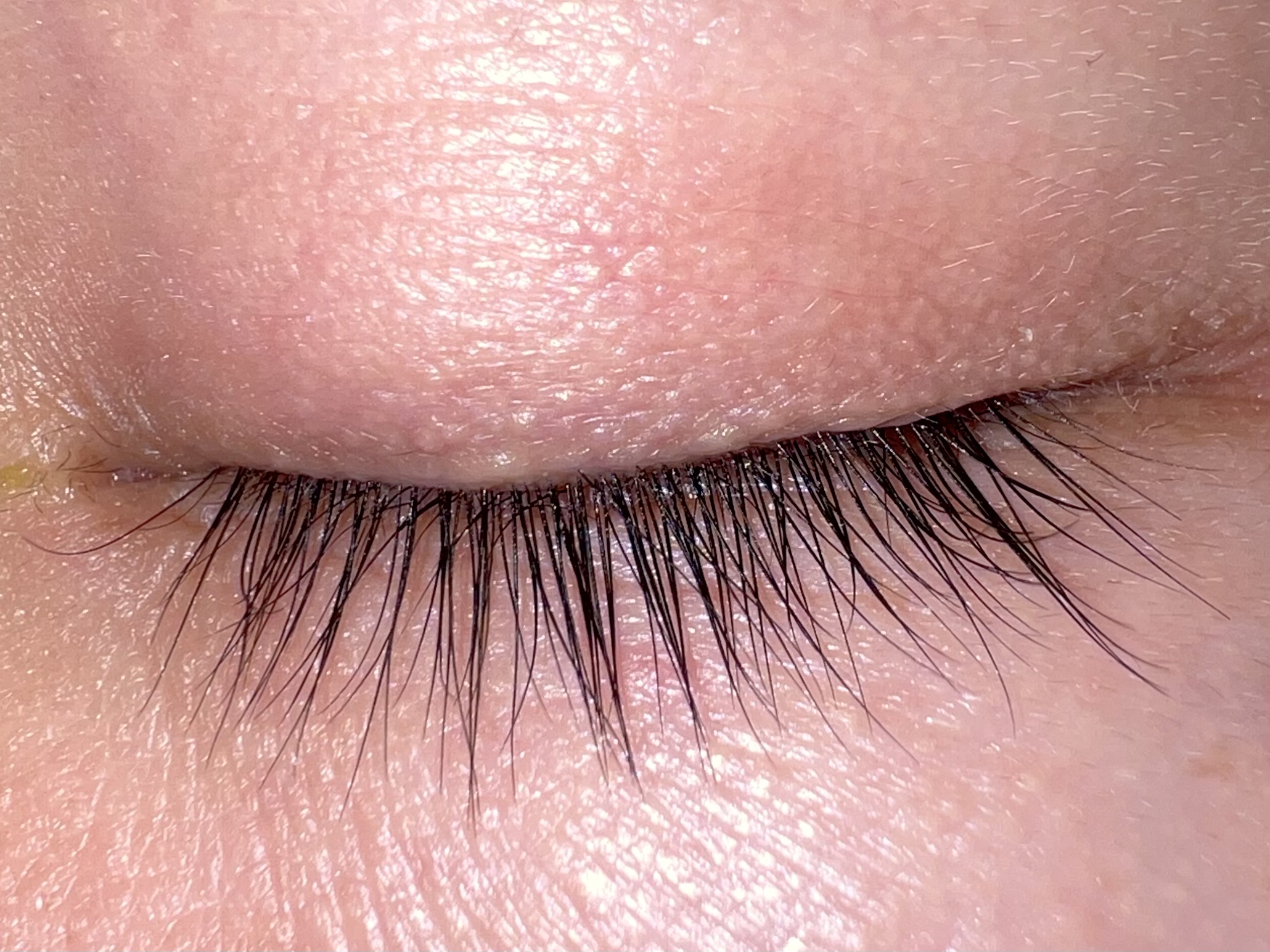
The periocular region encompasses the delicate skin surrounding the eyes, including the upper and lower eyelids, and represents a critical interface between dermatological and ocular health.
The skin in the periocular area is, at times, only 0.2 mm thick1 and contains a rich vascular network, fine hairs and sebaceous glands2,3. The outermost layer of the skin (the stratum corneum) in the periocular region, is up to 10 times thinner and has fewer lipids compared to skin on other parts of the face and body4.
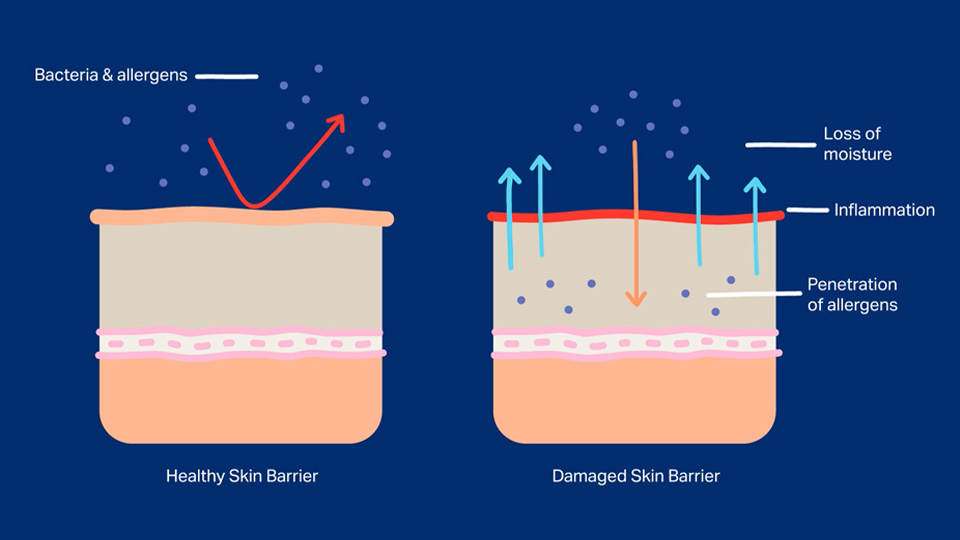
These physiological differences can have a profound effect on the skin barrier. A good skin barrier keeps external irritants out and keeps hydration in. When the skin barrier is weakened, the skin becomes dehydrated, the skin barrier becomes compromised, making it easier for irritants to enter, which can lead to inflammation.
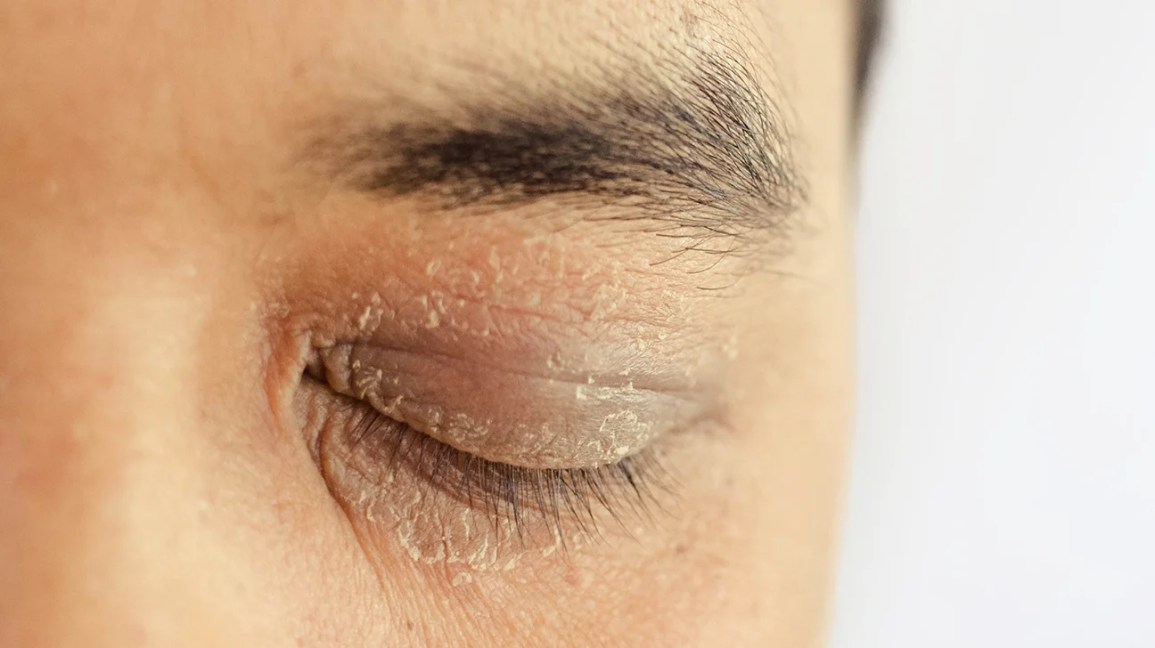
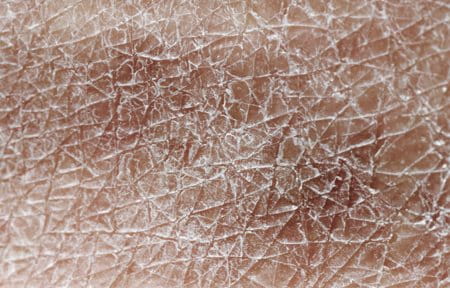
Periocular skin is more susceptible to dehydration and without adequate moisture, the skin can appear dry, flaky, and even make fine lines or wrinkles become more visible6,7. Mechanically, the periocular region is exposed to frequent movement (such as blinking) or manipulation (such as eye rubbing and the application or removal of eye cosmetics), which can further challenge barrier integrity8.
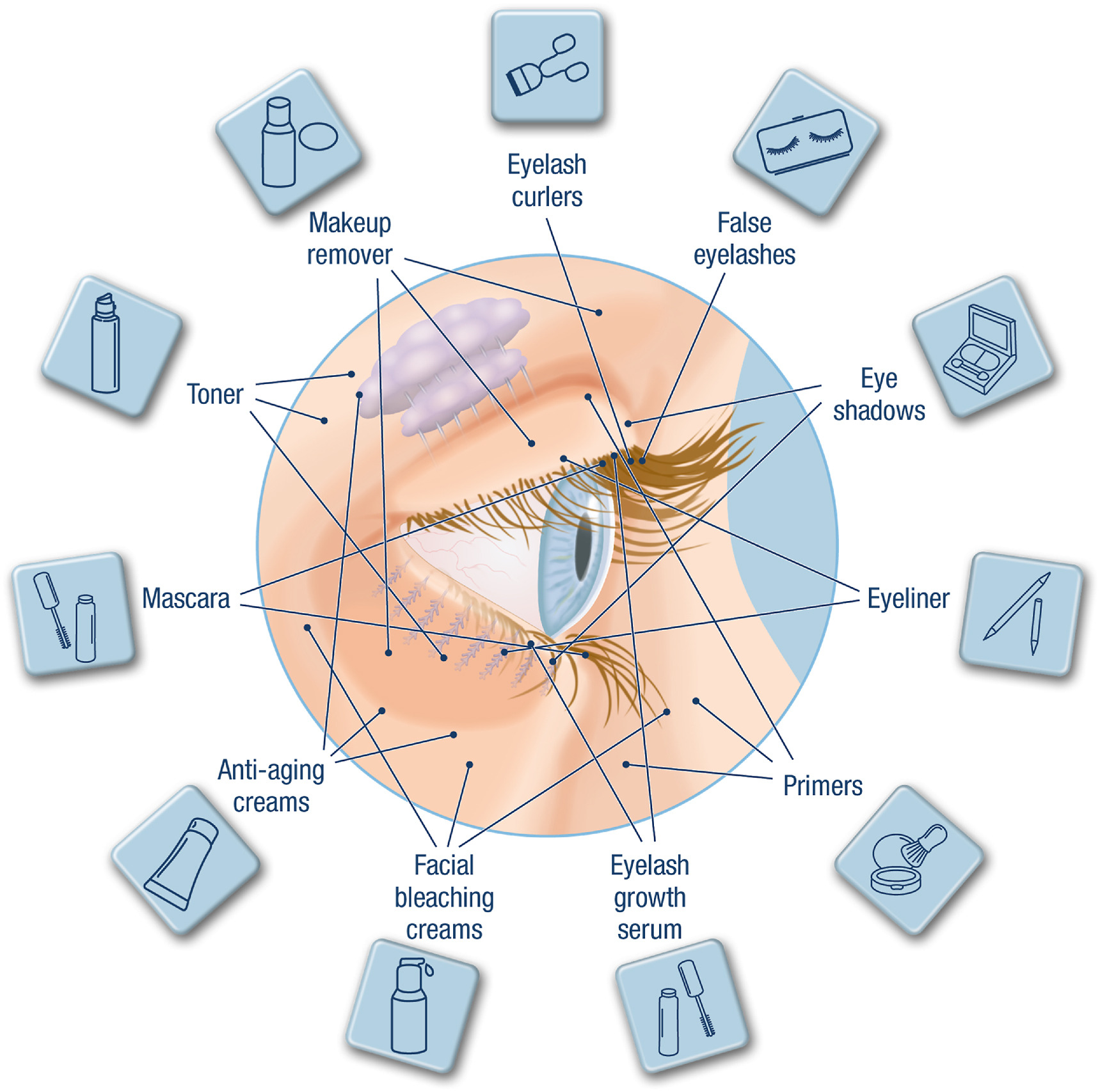
As a result, the eyelids and periocular region is among the most vulnerable and sensitive areas of the body, as well as being one of the areas with the greatest environmental and cosmetic exposure5.
Despite its importance, the periocular area is frequently overlooked in routine clinical practice, even though conditions affecting this region can indirectly influence ocular comfort, tear film stability, and overall patient quality of life.3
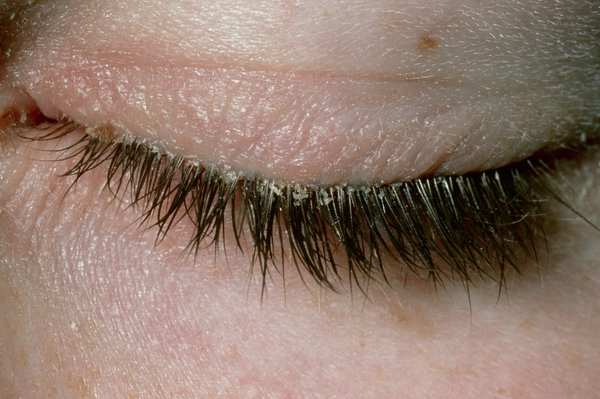
The significance of periocular health within the broader context of ocular surface disease (OSD) is becoming more recognised, especially as patient awareness and cosmetic product use continues to grow. The eyelid is subject to a number of disorders, including meibomian gland dysfunction, dry eye disease, blepharitis, allergic and dermatological conditions3. Further, contact lens use and therapeutic drugs, such as glaucoma medications, can also affect the eyelid region. These eyelid disorders, as well as external stressors such as environmental pollutants and cosmetics, can compromise the integrity of the periocular skin barrier, leading to dryness.9
Maintaining periocular skin health is crucial not only for aesthetic and comfort reasons but also for preserving the stability of the tear film. There is a strong association between dry skin and dry eyes10. For clinicians, understanding and assessing periocular health should be an integral component of holistic ocular surface management.11,12